
Value Investing: A Beginner’s Guide to Smart Wealth Building
Value investing is one of the most reliable ways to grow wealth patiently and intelligently. Instead of chasing hype stocks, value investors look for strong businesses trading at prices below their true worth. This strategy, pioneered by Benjamin Graham and made famous by Warren Buffett, remains highly relevant today.
Table of Contents
What Is Value Investing?
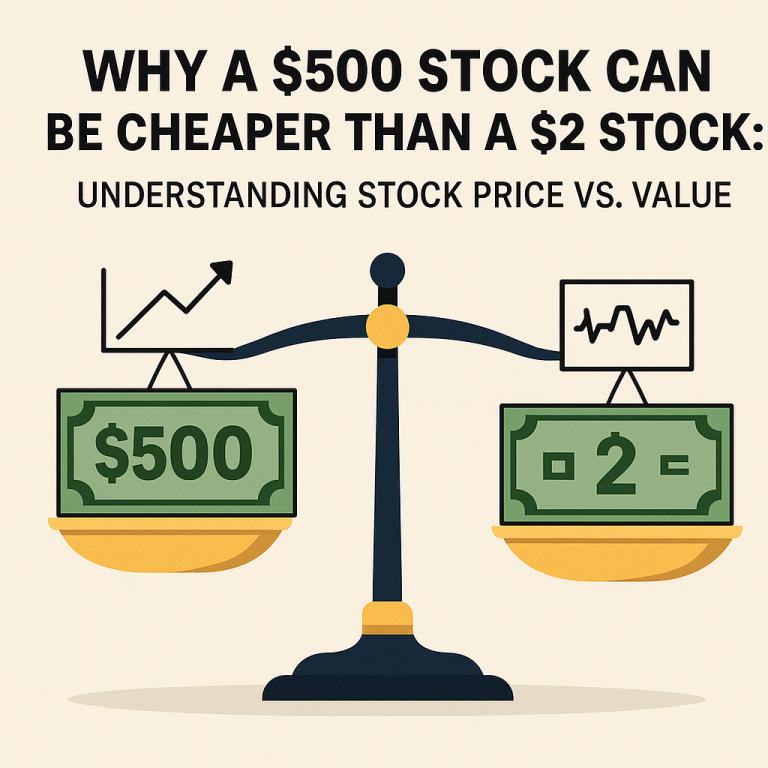
At its core, value investing means buying undervalued stocks — companies priced lower than their intrinsic value. Intrinsic value reflects what a business is truly worth based on earnings, cash flow, and assets.
Warren Buffett’s mentor, Benjamin Graham, wrote The Intelligent Investor, often called the “bible” of value investing. Buffett later refined the strategy by focusing not just on cheap stocks, but on wonderful companies at fair prices.
Even after growth stocks led the 2010s, value investing regained momentum in 2022–2023, when higher inflation and interest rates made stable, cash-flow-rich companies more attractive.
Core Principles of Value Investing
- Margin of Safety: Buy only when stocks trade well below intrinsic value.
- Contrarian Mindset: Seek opportunities in unpopular sectors or downturns.
- Long-Term Patience: Allow years for the market to recognize true worth.
- Fundamental Analysis: Focus on financial statements and business quality, not hype.
Pros of Value Investing
- Lower Volatility compared to high-growth stocks.
- Dividend Income provides cash flow while you wait.
- Strong Historical Returns — value has outperformed growth in most 15-year periods since 1927.
- Margin of Safety reduces risk of permanent losses.
Cons of Value Investing
- Patience Required — results may take years.
- Value Traps — some cheap stocks never recover.
- Can Lag in Bull Markets driven by tech or growth.
- Research Heavy — requires analyzing fundamentals in depth.
Global Value Investing Opportunities
Value investing is not limited to the U.S. market. Opportunities exist worldwide:
- Emerging Markets like Brazil, India, and South Korea often trade at lower valuations.
- 🇪🇺 Europe and Japan historically have strong value opportunities in manufacturing and consumer staples.
- ETFs & Funds provide diversified exposure. Popular examples include:
- Vanguard Value ETF (VTV)
- iShares MSCI EAFE Value ETF (EFV)
- Schwab U.S. Dividend Equity ETF (SCHD)
How to Practice Value Investing
- Screen for Stocks
Look for low P/E ratios, low P/B ratios, and manageable debt. - Study the Fundamentals
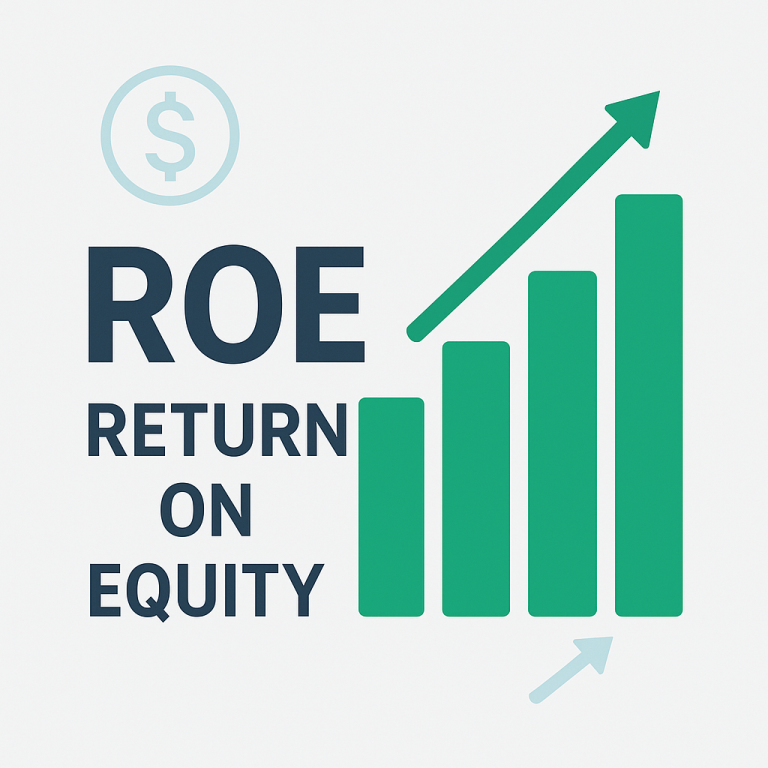
Focus on companies with steady earnings, free cash flow, and strong return on equity (ROE). - Calculate Intrinsic Value
Use discounted cash flow (DCF) models or valuation multiples. Only buy when price < fair value. - Think Like a Business Owner
Ask: Would I buy this entire company at this price? - Stay Disciplined
Ignore short-term volatility and stick to your analysis. - Diversify Smartly
Spread across industries and regions to limit risk.
Conclusion
Value investing remains one of the most proven paths to wealth creation. By buying strong companies below their fair value, investors can protect themselves with a margin of safety while positioning for long-term growth. It may not deliver overnight excitement, but with patience and discipline, value investing can help you build wealth that lasts.